
Vastu Compliant Homes: Fact, Faith, or Financial Advantage?
 Understanding the Relevance of Vastu Compliant Homes in Modern India
Vastu Shastra has long held a distinctive place in India’s architectural and cultural memory. Rooted in ancient texts, its principles continue to guide many homeowners, builders, and interior designers even in the twenty first century. Yet as Indian cities expand vertically, land becomes scarce, and architectural trends evolve, the conversation around Vastu has taken on a more complex tone. Is Vastu still a practical science? Is it purely a cultural or spiritual belief? Or has it become a strategic investment tool within the modern real estate market?
This blog explores Vastu compliant homes from every angle: historical roots, architectural influence, psychological impact, buyer demand, financial implications, and debates around empirical validation. It also examines why Vastu remains deeply relevant today and where it stands in the spectrum between fact, faith, and financial strategy. Whether you are a home buyer, investor, architect, or curious reader, this comprehensive exploration will offer clarity on a subject that has shaped Indian living spaces for centuries.
The Foundations of Vastu Shastra
Vastu Shastra, a Sanskrit term meaning the science of dwelling, is an ancient Indian architectural philosophy that dates back thousands of years. It combines spatial geometry, directional alignments, and natural element harmonisation to create environments believed to support wellbeing, abundance, and harmony. While Vastu has religious and cultural undertones, its original intent was more scientific in nature than many assume today.
The classical texts describe specific guidelines related to:
- Orientation of rooms, doors, and windows
- Placement of functional spaces such as kitchens, bedrooms, temples, and bathrooms
- Use of the five natural elements: Earth, Water, Fire, Air, and Space
- Flow of energy, known as prana
- Balance of directions: north, south, east, west, and intercardinal directions
The philosophy assumes that human life is influenced by the energies of nature and that architectural design should support rather than obstruct these forces. Over time, Vastu Shastra became integrated into temple construction, palace architecture, and domestic housing layouts across ancient India.
Although modern environments look different from the agricultural and natural landscapes of ancient times, the underlying intention: to design homes that feel balanced, functional, and psychologically supportive remains relevant even today. This is one reason why Vastu continues to capture the interest of homeowners and developers alike.
The Modern Revival of Vastu in Indian Real Estate
In the last two decades, Vastu has experienced a notable resurgence in urban India. With rising disposable incomes, increasing real estate investments, and a renewed interest in traditional wellness philosophies, the demand for Vastu compliant homes has soared.
Real estate developers across major metros such as Bengaluru, Delhi NCR, Mumbai, Hyderabad, Pune, and Chennai now openly advertise Vastu features as a value addition. Properties that adhere to Vastu guidelines often command higher interest, faster sales, and sometimes premium pricing, especially in competitive markets. Buyers also increasingly request Vastu audits before finalising purchases.
This rise is not limited to India. The Indian diaspora in the United States, United Kingdom, Canada, UAE, and Australia increasingly seeks Vastu aligned homes, influencing global builders and interior designers to adapt accordingly.
But what drives this renewed interest? Is it spiritual belief, psychological comfort, cultural continuity, or a sense of security in high-stakes investments? Understanding the motivations behind Vastu preference provides deeper insight into its place in the modern world.
Why Do People Prefer Vastu Compliant Homes?
1. Cultural Continuity
For many Indians, Vastu compliance is a natural continuation of cultural values. Home is considered a sacred space, and Vastu guidelines offer a familiar framework of harmony and auspiciousness. Even those who are not deeply religious often find comfort in traditions passed down through generations.
2. Psychological Reassurance
Certain Vastu guidelines align with principles of modern design psychology. For example:
- Ensuring good ventilation
- Maximising natural light
- Avoiding cluttered entrances
- Creating separate zones for rest and work
These practices can improve mood, mental clarity, and overall comfort, even if one does not actively associate them with Vastu.
3. Perception of Better Energy Flow
Many individuals feel that Vastu aligned spaces simply feel better: more peaceful, naturally balanced, or energetically calm. Whether or not this can be scientifically measured, the subjective emotional experience matters in shaping buyer preferences.
4. Family Influence
Real estate decisions often involve parents, elders, or extended families who may strongly prefer Vastu compliance. For many households, especially in India, collective decision-making gives weight to traditional architectural norms.
5. Fear of Negative Outcomes
Even if someone is neutral toward Vastu, the worry about potential negative consequences can influence decisions. The fear of making an irreversible or unlucky choice in such a significant investment leads many to choose Vastu aligned properties simply as a precaution.
6. Resale Value and Marketability
Buyers increasingly recognise that Vastu compliant homes have better resale potential. Even if they personally do not prioritise Vastu, they know future buyers might. This makes Vastu compliance an attractive long-term investment strategy.
7. Popularity Among Developers
Because builders frequently design with Vastu alignment in mind, many new homes already come pre-structured in accordance with common Vastu norms. This reduces the buyer’s effort and makes the purchase more appealing.
 The Architectural Science Behind Vastu Principles
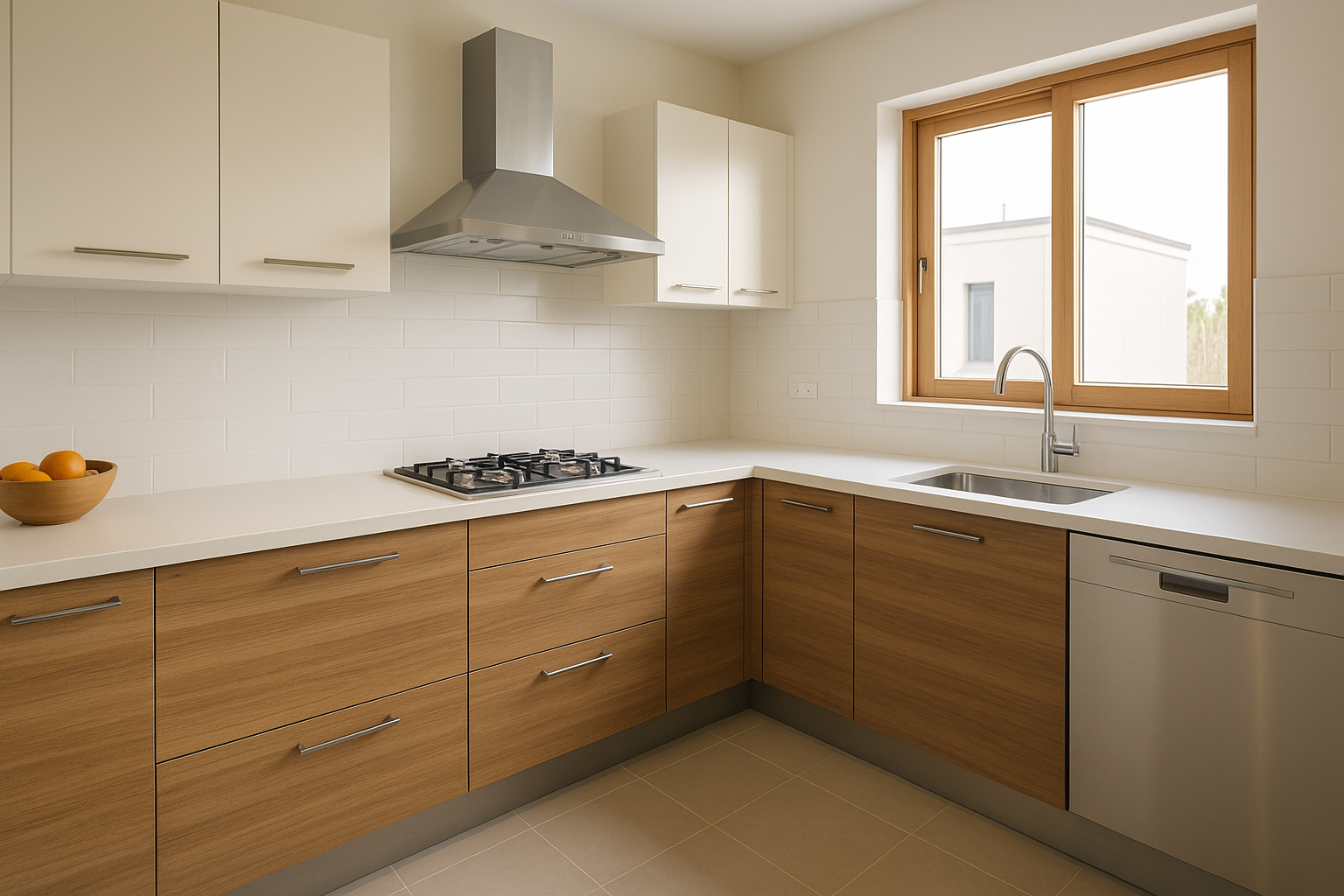
While Vastu includes spiritual elements, several guidelines have practical architectural logic. Many ancient principles align with modern environmental design, energy efficiency, and comfort-driven planning.
Orientation and Sunlight
Vastu places importance on the east and north directions for entrances, living rooms, and windows. Scientifically, these directions receive balanced daylight in India’s geographic context. Moderated sunlight improves visibility, lowers electricity consumption, and enhances wellbeing.
Kitchen and Fire Energy
A kitchen in the south-east is a classic Vastu recommendation. This direction receives stabilised sunlight during working hours and aligns with the concept of fire energy. From a design perspective, such placement reduces heat trapping and improves ventilation.
Bedroom Placement
Master bedrooms in the south-west are believed to promote stability. Architecturally, this corner is often the most insulated, leading to quieter and cooler environments optimal for rest.
Open Centres
Traditional Vastu homes featured an open courtyard at the centre. While modern homes cannot replicate this exactly, open floor plans and natural light usage follow the same philosophy: spaciousness reduces stress and supports psychological ease.
Water Elements
Placing water bodies or storage in the north-east aligns with ancient logic that sunrise energy meets water to enhance positivity. Scientifically, the cooler north-east direction prevents water from stagnating or heating, reducing contamination risks.
Thus, some Vastu principles overlap with intuitive, scientific, or environmental design practices, even if they originate from spiritual or cosmic logic.
Can Vastu Be Considered Scientific?
The question of Vastu’s scientific credibility is long debated. Critics argue that many of its rules lack empirical support or cannot be universally applied due to regional variations in climate and geography. Supporters claim Vastu is a sophisticated spatial science with deeper cosmological understanding.
Arguments Supporting Vastu’s Scientific Basis
- Environmental Harmony
Many Vastu principles parallel sustainable architecture trends: maximising cross ventilation, aligning sunlight exposure, and using natural materials. - Design Psychology
Spatial arrangement influences mood, sleep patterns, productivity, and stress levels. Vastu indirectly incorporates these effects. - Directional Energy
While not scientifically validated in traditional terms, orientation undeniably affects factors like temperature and light. - Bioclimatic Design
Similar to Vastu, contemporary bioclimatic design tailors buildings to local environmental conditions.
Arguments Questioning Vastu’s Scientific Basis
- Lack of Controlled Studies
No large-scale scientific studies conclusively prove that Vastu aligned homes improve health or wealth. - Cultural Specificity
Some principles relate to India’s geography and may not universally apply elsewhere. - Symbolic Interpretations
Certain rules, such as spiritual energy flows, do not have measurable physical properties. - Overgeneralisation
Strict adherence may conflict with modern architectural constraints.
The Reasonable Middle Ground
Many experts believe Vastu is best viewed as an architectural philosophy with both practical and cultural value. While not a formal science in the Western sense, it embodies centuries of observation, environmental adaptation, and psycho-spatial understanding. Even sceptics acknowledge that Vastu compliant homes tend to feel harmonious and well organised.
How Vastu Influences Real Estate Prices
A major question in today’s property market is whether Vastu alignment boosts financial value. The answer is increasingly yes. Several factors contribute to this phenomenon.
1. Increased Demand
A rising number of buyers prioritise Vastu alignment. Higher demand naturally leads to higher prices in competitive markets.
2. Faster Sales
Vastu compliant homes tend to sell faster. Builders recognise this and often incorporate basic Vastu features during planning stages.
3. Perceived Premium
Homes facing south or with south-east entrances often struggle in the market, while north and east-facing properties are seen as more desirable.
4. Rental Preferences
Tenants, especially corporate tenants, increasingly request Vastu aligned spaces. This affects rental yields.
5. Developer Branding
Projects advertised as Vastu compliant often position themselves as premium offerings, influencing price levels.
6. Reduced Renovation Costs
Non-compliant homes may require structural changes, lowering their price attractiveness.
7. Emotional Value
Belief-driven purchases are often less price-sensitive, creating a premium bracket.
Vastu and Mental Wellbeing: The Psychological Impact of Space Design
Even without spiritual belief, Vastu aligned spaces often influence psychological comfort. Humans respond instinctively to light, air, clutter, symmetry, and balance. A home designed with harmony in mind can reduce cognitive load and enhance mental clarity.
Key Psychological Effects Observed:
- Entrance placements influence first impressions and emotional energy
- Bedrooms with good orientation improve sleep quality
- Balanced layouts reduce feelings of confinement
- Open spaces encourage relaxation
- Natural light supports better mood regulation
Thus, the psychological dimension often blurs the line between faith and practical logic.
Vastu Myths vs Realities
Myth 1: Every home must follow Vastu perfectly
Reality: Minor deviations rarely have noticeable effects; many guidelines can be adapted.
Myth 2: Vastu requires expensive reconstruction
Reality: Simple corrections using colour, mirrors, rearrangement, or elemental balancing often help.
Myth 3: North-east facing homes are the only good ones
Reality: Every direction has strengths; context and layout matter more.
Myth 4: Vastu is only for traditional homes
Reality: It applies equally to apartments, offices, and modern compact spaces.
Myth 5: Vastu guarantees wealth
Reality: It supports harmony but cannot override external factors such as financial planning, effort, and lifestyle.
Is Vastu Only About Directions?
Contrary to popular belief, Vastu is not merely directional. It includes:
- Geometry and proportions
- Symmetry and balance
- Circulation and pathways
- Placement of natural elements
- Material selection
- Environmental adaptability
This holistic approach positions Vastu as a comprehensive philosophy rather than a rulebook of do’s and don’ts.
Are Vastu Corrections Useful?
When a home cannot be fully aligned with Vastu principles, experts often recommend corrections. These may include:
- Adjusting functional zones
- Using specific colours in certain areas
- Placing symbols or spiritual elements
- Changing furniture direction
- Adding indoor plants
- Rearranging heavy and light objects
- Using lighting to balance energy flow
Even sceptics find some of these interventions useful from an interior design standpoint.
Why Builders Prioritise Vastu Compliance
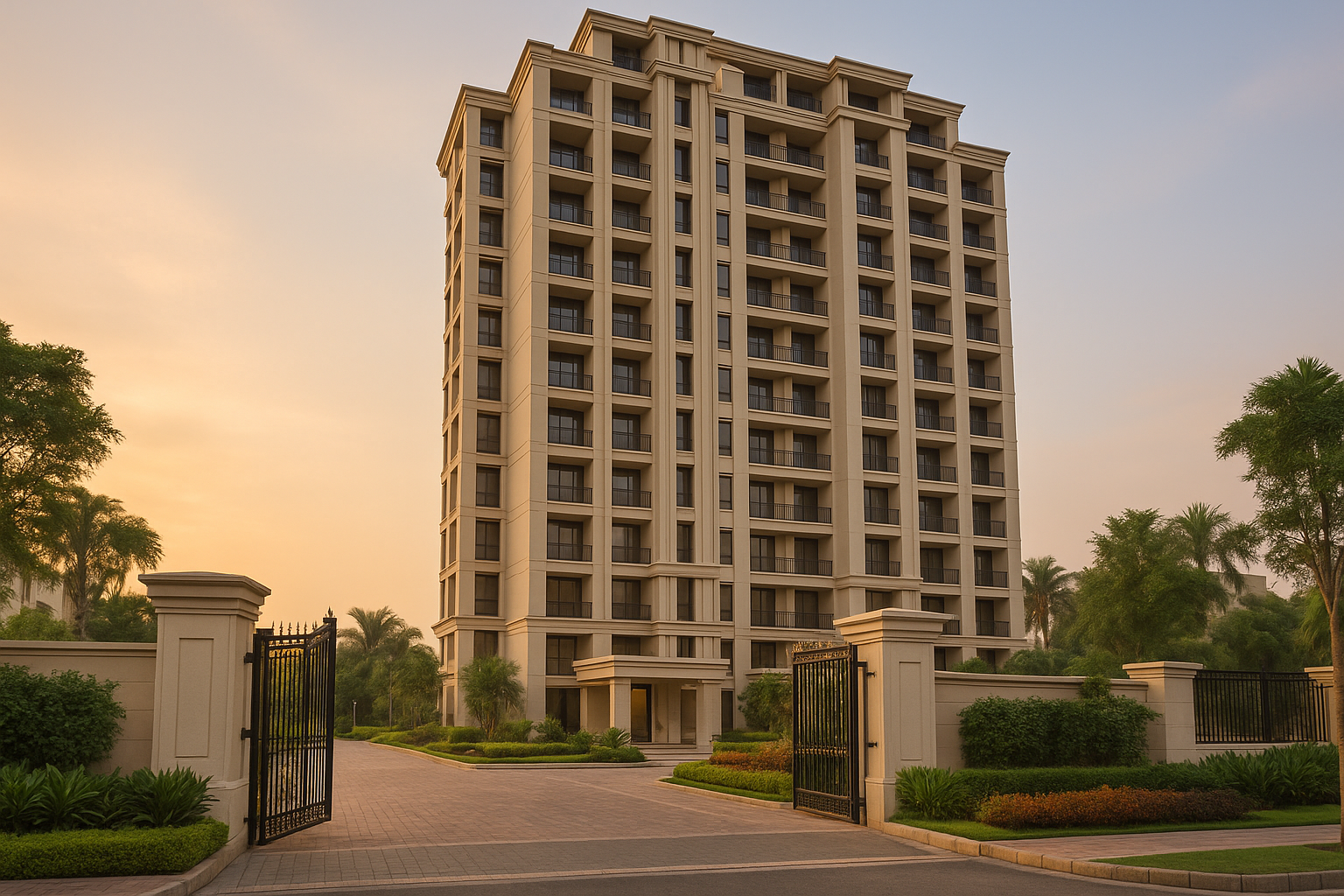
Real estate developers increasingly design layouts using Vastu guidelines because:
- It prevents resistance during sales
- It expands the buyer pool
- It enhances brand credibility
- It reduces redesign requests
- It aligns with marketing strategy
For large townships, developers often hire Vastu experts during the master planning stage to avoid layout complications later.
Vastu for Apartments: Modern Adaptations
Traditional Vastu was based on independent land plots, but modern apartment living has necessitated modified interpretations. Experts often focus on:
- Entrance direction from inside the unit rather than the tower
- Positioning of kitchen within available space
- Alignment of balconies
- Flow of natural light
- Bedroom placements
- Location of toilets and wash areas
While complete compliance is rare, partial alignment is widely practiced.
Does Vastu Really Affect Daily Life?
People who live in Vastu aligned homes often report:
- Better sleep quality
- Lower stress levels
- Sense of emotional stability
- Higher productivity
- Improved family interactions
- Enhanced focus and clarity
Even if these results originate from psychological comfort rather than cosmic energy, the positive outcomes are real and valuable.
Case Narratives: Experiences Shared by Homeowners
Example 1: Emotional Harmony
A family in Pune shared that redesigning their home entrance and adding natural light to their living area improved household peace and reduced interpersonal tensions.
Example 2: Professional Clarity
A Mumbai entrepreneur found that rearranging his home office according to Vastu guidelines improved concentration and reduced work burnout.
Example 3: A Sense of Stability
A couple in Noida reported feeling more anchored and settled after adjusting their bedroom position to the south-west corner.
These examples highlight that Vastu often works by creating order, clarity, and a positive psychological environment.
Fact, Faith, or Financial Advantage: A Balanced Perspective
To truly understand Vastu in the modern context, it is essential to analyse its three dimensions.
1. Fact
Some Vastu principles align with scientific concepts such as ventilation, sunlight optimisation, spatial planning, and ergonomic comfort. These guidelines objectively improve liveability.
2. Faith
Cultural and spiritual traditions give Vastu its emotional power. Belief influences experience, and faith-based alignment provides psychological reassurance.
3. Financial Advantage
Vastu compliant homes offer strong resale value, marketability, and buyer confidence. Investing in Vastu aligned properties is often financially prudent, independent of belief.
In reality, Vastu operates at the intersection of all three. It is not purely fact, nor solely faith. It is not just a marketplace trend either. Instead, it is a blend of history, psychology, practicality, and cultural significance.
Practical Tips for Buyers Considering Vastu
- Do not chase perfection; aim for comfortable, functional alignment.
- Evaluate natural light and ventilation as top priorities.
- Work with designers who understand both Vastu and modern architecture.
- If the layout is mostly good, minor corrections can address the rest.
- Balance logic and belief; choose what genuinely resonates with you.
- Prioritise emotional comfort: your home should feel calming and supportive.
Practical Vastu Checklist for New Homes
- Entrance direction is positive and inviting
- Living room is open and well-lit
- Kitchen has proper ventilation
- Bedrooms placed for calm and privacy
- Pooja room positioned harmoniously
- Toilets are away from kitchen and dining
- No dark corners or cluttered spaces
- Adequate airflow throughout
- Symmetry in design wherever possible
Is Vastu Optional or Essential?
The answer varies by individual. For some, Vastu provides spiritual grounding. For others, it offers a logical framework for organised, calming design. And for many investors, it is simply a market necessity.
A home is deeply personal, and the role Vastu plays depends on:
- family upbringing
- personal beliefs
- psychological comfort
- investment priorities
- design expectations
Thus, Vastu is neither mandatory nor irrelevant. It is a flexible tool. The key is to choose a level of compliance that brings you peace and confidence.
The Future of Vastu in Urban Living
As architecture continues to evolve, Vastu is also undergoing adaptation. The next generation of real estate may see:
- integration of Vastu with sustainable design
- Vastu-based smart home layouts
- digital Vastu audits using 3D modelling
- modern interpretations aligned with psychological research
- Vastu-inspired minimalism and energy-efficient planning
Rather than disappearing, Vastu is likely to become more scientific, more accessible, and more integrated into mainstream design.
Conclusion
Vastu compliant homes sit at the crossroads of fact, faith, and financial strategy. While some principles align intuitively with environmental and architectural logic, others appeal to cultural memory and emotional comfort. Modern home buyers increasingly recognise that Vastu is not merely superstition nor a perfect science. It is a comprehensive philosophy that continues to influence real estate decisions because of its psychological, cultural, and commercial relevance.
Whether you believe deeply in Vastu, appreciate its design logic, or simply want strong resale potential, understanding its principles empowers you to make informed choices. In the end, the best home is one that feels balanced, supportive, and aligned with your lifestyle and values. Vastu can be a powerful tool in creating such harmony, provided it is used with flexibility, awareness, and practical judgement.